


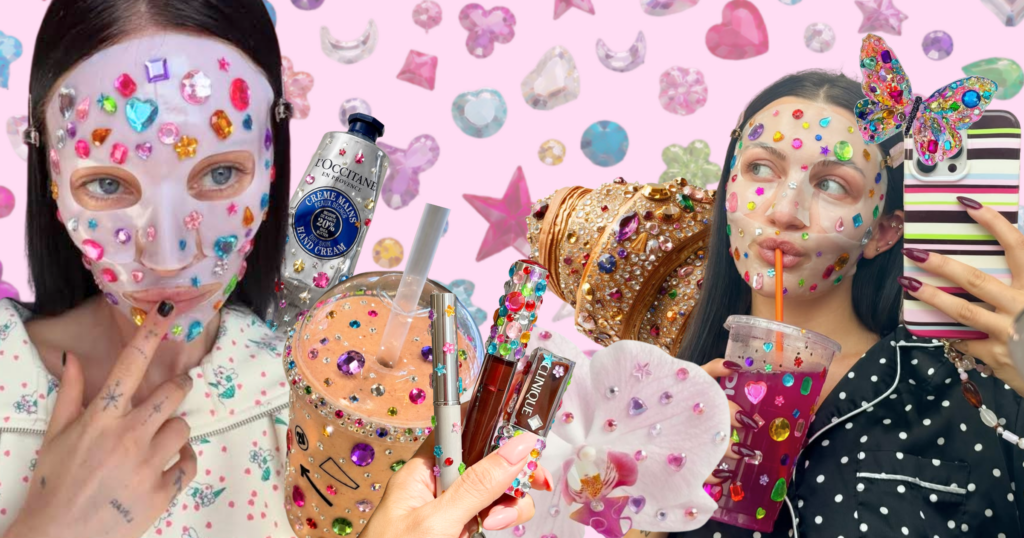

How media influencers promote overconsumption
What is “whimsy”?
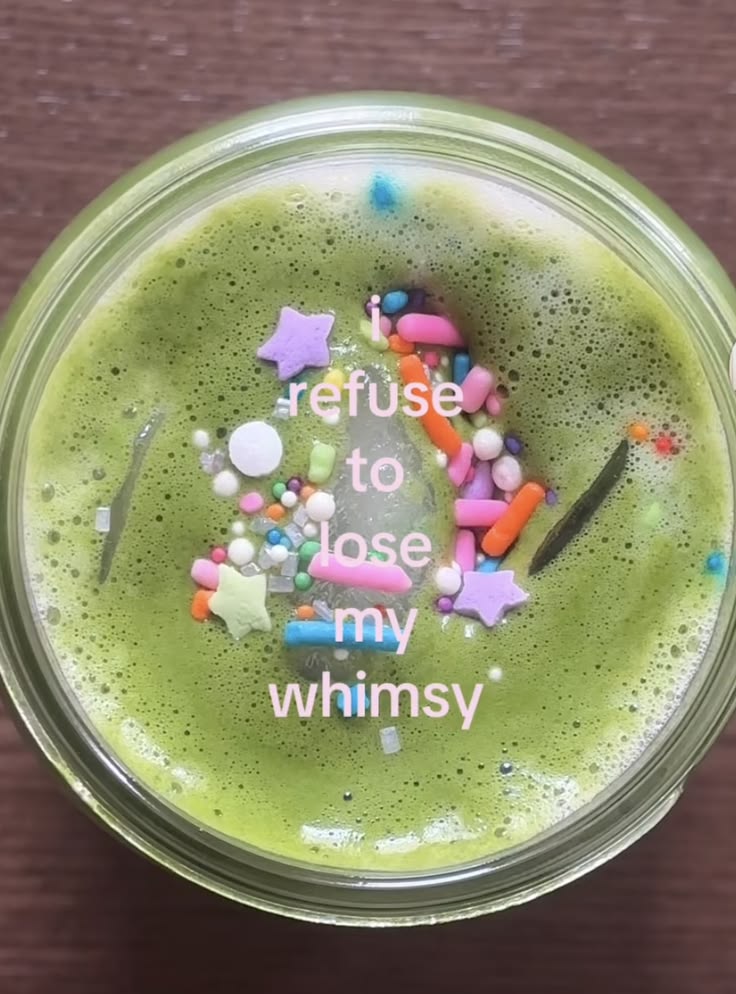
For a long time the word “whimsy” was associated with mysterious witches, fairy tales lovers, and magic fans. Hobbies such as hand-crafting and art became one of the main attributes of this aesthetic, making it enchanting and captivating for everyone. According to the Cambridge Dictionary, “whimsy” also means unusual, funny, and pleasant ideas or qualities. At the same time, Urban Dictionary defines it as “a handcrafted object usually small and of personal value to either the creator or the person it was created for.”
Online “whimsy” is associated with anything bright, shiny, and attractive, without attaching any value to the act of creating something unique with your own hands. All credit to the online rejection of the minimalism aesthetic, which became extremely popular in the last ten years.

Yes, many “whimsy” fans still romanticize a chaotic and colourful lifestyle full of joy, weirdness, and girly-girl philosophy, introducing charms, little trinkets, and decorations into a daily routine in favor of a perfectly polished Internet picture of life. Nevertheless, there is nothing left of the captivating, mysterious vibe inherent in the original aesthetic; now, it is all about repeating the latest trends from Instagram and TikTok influencers selling new “useful” products, rather than using your own imagination or immersing yourself in new hobbies.
The desire to stand out and be fashionable simultaneously resulted in a novel way of overconsumption. The paradox is when everything trending online is being purchased just for a glance of happiness, it loses its “whimsy” the moment you post a new photo to your social media page.
The beauty of plastic
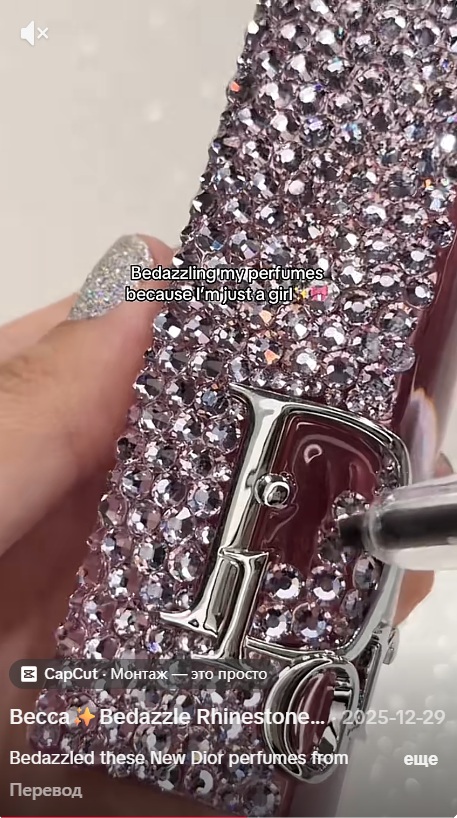
Rhinestones first gained popularity in the 1920-1950s, with fashion designers using them for shiny evening attire. Decades later, the glam rock era took its turn, adding sparkles to a stage image. In the 2000s, this trend was reinvented as colourful gems were applied on everything from keychains and sunglasses to phones and clothes.
Almost a hundred years after its first popularity wave, the bedazzling trend has reacquired its momentum on social media. The gems were used to decorate everyday objects, perfectly matching the colour of the item, creating a smooth, dazzling effect. The primary goal was to embellish things you actually use rather than following a fleeting aesthetic.
This August, Kylie Jenner, an American model and businesswoman, posted about her 29th birthday celebrations on her Instagram page. According to the photos, she threw a “princess kitty” party. And, as you might have guessed, there were rhinestones among decorations, too.

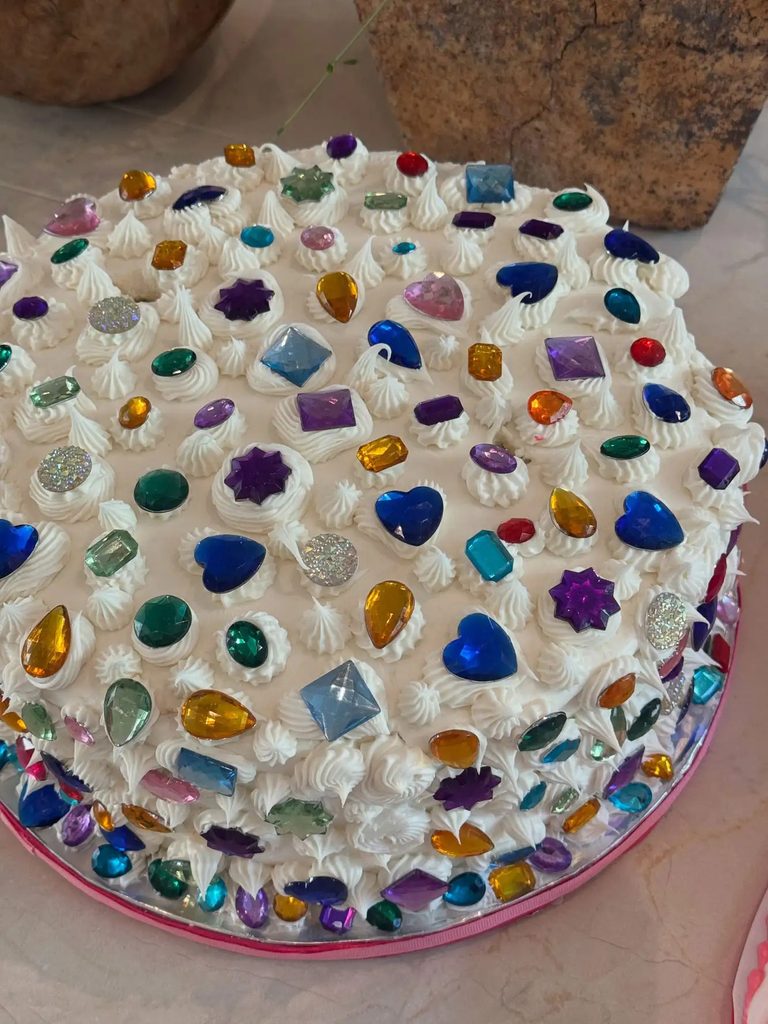
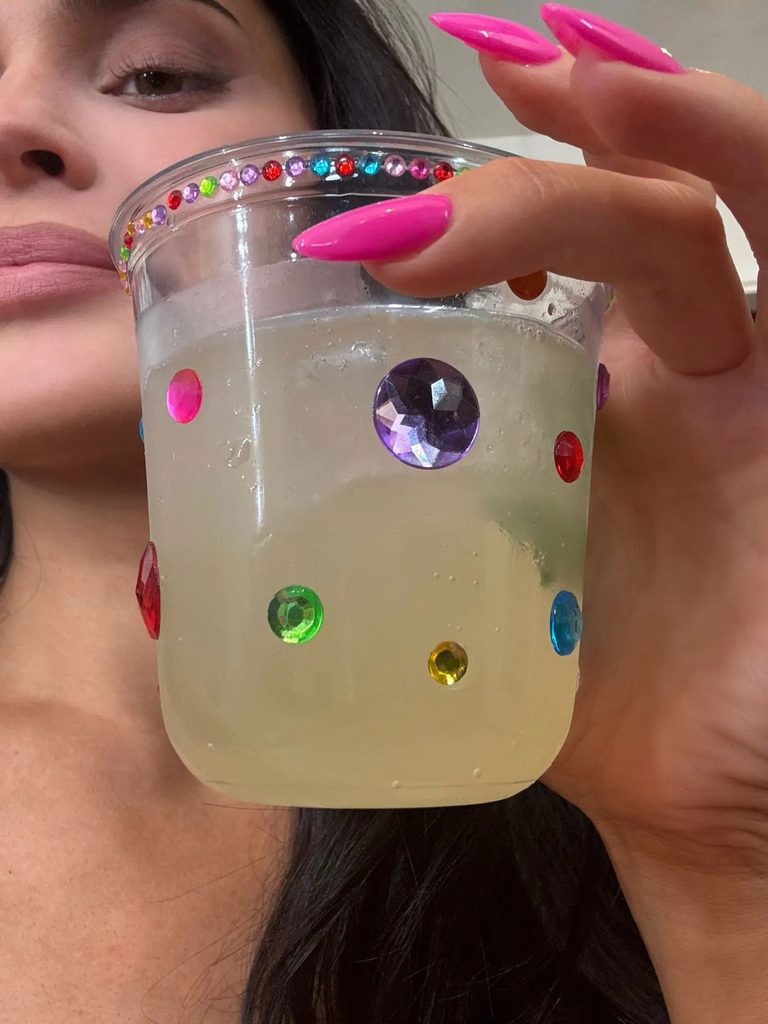
Unsurprisingly, it took just one post for this to become a massive trend on social media. The fast spread of a so-called “whimsymaxxing” has sent online users into a bedazzling frenzy, decorating everything and anything in sight: cups, phones, hand creams, etc. Thus, the Internet has taken the joy of decorating and turned it into a “mandatory” shopping list to be “hip” and “cool.”
The power of algorithms
And if overconsumption has a huge environmental impact by producing more and more amounts of waste, it is also important to mention a trend that works in the totally opposite direction — social media and the power of its algorithms.
The real problem is that people are no longer buying things they genuinely need but rather whatever algorithm suggests as “extremely vital.” Social media platforms such as Instagram or TikTok are designed to show users what is really popular by triggering a deep psychological need to be seen and accepted by society.
“Young people face several psychological tasks that must be resolved to successfully transition into adulthood,” says Anna Pozdeyeva, psychologist of the highest category. “The first fundamental task concerns socialization. Group standards, including those linked to fast-moving trends, facilitate this process, as socialization is inherently about aligning with norms accepted by the majority.”
According to her, another key aspect is the need to belong to a relevant social group, a need that fast-moving trends help satisfy. Young people also have a strong need for interpersonal interaction and communication; trends often serve as the focal points around which such communication is built.
“This is where the mechanism of social contagion comes into play: imitation becomes akin to infection, where a specific type of information-related behavior ‘infects’ others and spreads easily from user to user,” the psychologist affirms. “Finally, the need to structure one’s time is worth mentioning. Organizing time often poses a challenge for young people, particularly given the expectation that they demonstrate visible social achievements. In this context, participating in fast-moving trends is perceived as a form of social success — the one that is easily attainable and requires little effort.”
It has long been known that algorithms learn users’ dreams and vulnerabilities, feeding them an endless scroll of perfectly curated, highly aesthetic lives that people desire to have. The same thing applies to “whimsy” trends, too: when every influencer on the Instagram feed started to embrace the same “chaotic” maximalism vibe, the algorithms created an illusion of perfect life. An average user immediately begins to feel that if they are not bedazzling their belongings, they are missing something extremely important to socialize and be seen as ‘a part of the online community.’ But once a trend is outdated, the “whimsy” aesthetics will be forgotten, and something else will take its place really quick.
Consequences of “whimsy” actions
The true cost of this hyper-accelerated trend cycle is not only environmental, as huge amounts of gems are commonly made from plastic. The deeper-rooted issue is the influence of the algorithms on people’s self-perception as a part of the online community. Consequently, the same pattern applies to the real-world interactions as people consider their online lives as vital parts of their personality as a whole. As time goes by, participating in hobbies and developing unique skills becomes more difficult, leading to loss of authentic identity.
“When discussing the consequences of fast-moving trends, one can certainly point to a deficit or specific lapses in critical thinking, as external validation often becomes more important to an individual than their own internal values and principles,” Pozdeyeva states.
In her opinion, people actively adopt the views of others, perceiving them as more desirable or easier to grasp. Consequently, instead of seeking authentic self-expression, a person simply adopts and utilizes pre-existing models.
“I wouldn’t frame this solely in terms of self-identity. Rather, the issue is that the active pursuit of fashion, and the tendency to let trends replace one’s own opinion is a rather alarming phenomenon, where fleeting ideas are embraced without any critical assessment. It is precisely this lack of critical scrutiny and internal filtering that raises the greatest concern.”
The psychologist adds that it could potentially weaken critical perception and the ability to think independently and form one’s own views. It becomes harder for individuals to relate to trends or consciously distance themselves from them, and the mindset that «the majority knows best» easily takes root.
Thus, if the only lasting trace of the modern online “war on minimalism” is a pile of plastic trinkets, people have to finally ask themselves: was the trend ever really about «whimsy», or was it just an algorithm tricking them into a new way of overconsumption?
This material features photos from pinterest.com.
