


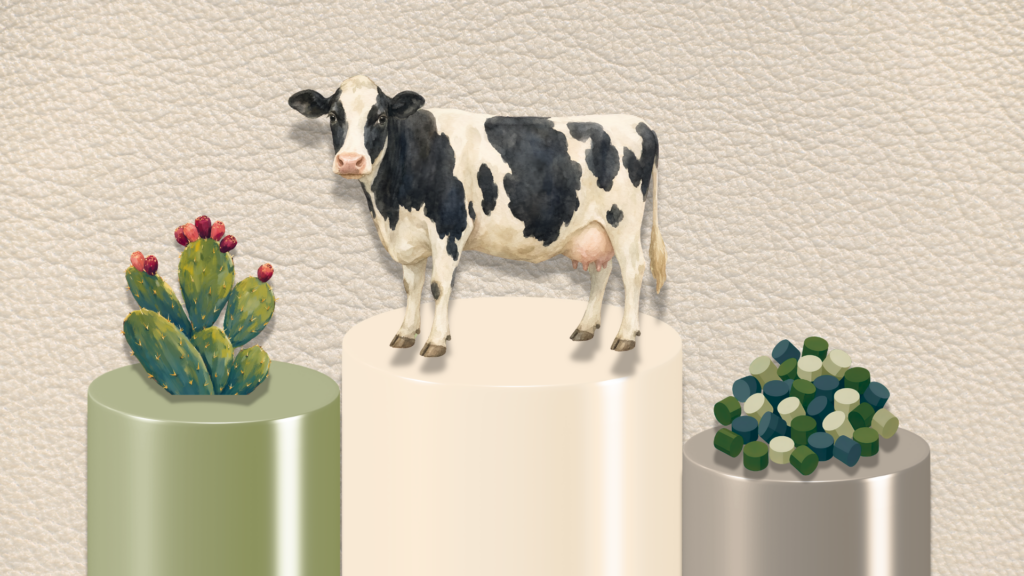

Synthetic illusion
Fashion, principles, investment
For decades, the fashion industry has promoted the same narrative about leather: a genuine one is plagued by accusations of animal cruelty and heavy environmental consequences. At the same time, faux leather is being frequently marketed under terms like “vegan” or “cruelty-free”, assuring people that it is a good alternative to wear leather clothes and accessories without guilt.
Alas, there is a more complex and uncomfortable reality, not letting experts judge both sides harshly. On one hand, many forms of faux leather are related to the oil industry, creating a trail of microplastic pollution and waste from overconsumerism around the world. Meanwhile, genuine leather is an organic protein material composed of interwoven collagen fibers, which make it flexible, durable, and biodegradable.
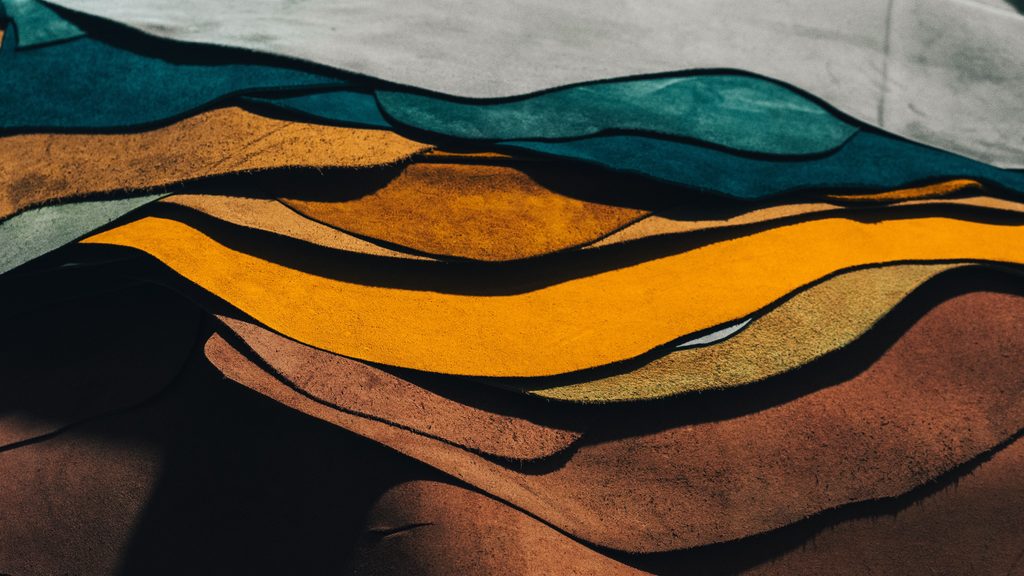
The natural architecture of genuine leather gives it remarkable tensile strength, flexibility, and a unique capacity to «breathe.» Because of its pores, the natural material adapts to the human body over time, softening and developing a rich, desirable patina that signals longevity rather than decay. With proper conditioning, a well-crafted leather garment can easily endure for decades.
Faux leather, on the other hand, is a synthetic material made by covering a base fabric (like cotton, polyester, or nylon) with a coat of plastic polymer layer. Lacking natural breathability, it traps the heat of a human body and moisture, destroying the material quicker and making its lifespan really short.
Animals vs plastics
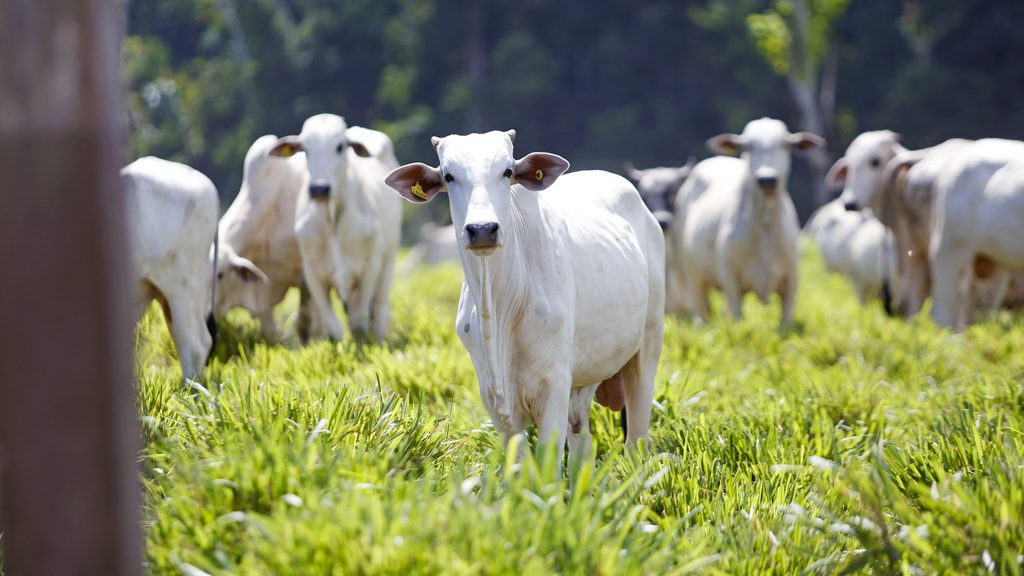
Analyzing the environmental impact of producing both types of leather, it is unreasonable to deny that the genuine one is resource-intensive. Firstly, cattle ranching requires vast expanses of land and massive quantities of water while generating substantial greenhouse gas emissions.
Secondly, the traditional leather tanning process often utilizes chromium salts to preserve the hide and prevent decay, requiring strict wastewater management to prevent toxic pollution for local ecosystems. Thus, if leather factories, precisely known as tanneries, fail to treat their chemical runoffs responsibly, the local environmental damage can be severe.
However, the myth surrounding eco-leather can also be quickly dissolved as synthetic materials are derived from petroleum, the production of which relies heavily on non-renewable fossil fuels. As a result, it releases hazardous volatile organic compounds into the atmosphere, also wasting valuable natural resources.
The manufacturing of polyvinyl chloride alone releases toxic dioxins, which pose serious health risks to factory workers and surrounding communities. Moreover, there is another problem — microplastic shedding during the use of faux leather items. Every time someone wears clothes made from polyurethane — another type of plastic used for producing “eco-leather” — tiny particles of it break off, destroying fragile environments with invisible microplastics.
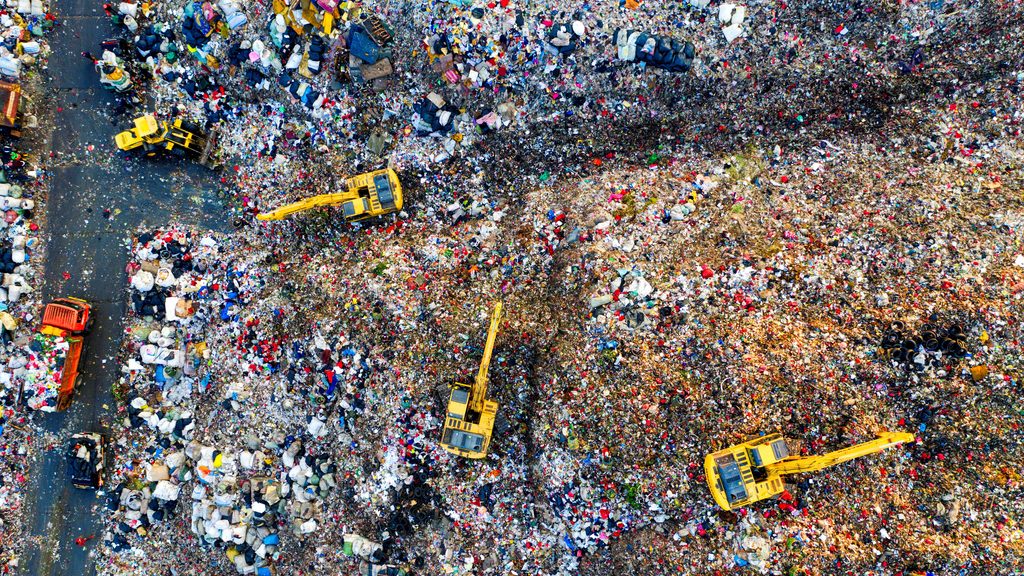
Though the most important difference between these two materials occurs at the end of their lifecycles. Genuine leather is biodegradable, faux is not. When finally discarded, an organic hide naturally decomposes in the soil within months or a few years, returning its nutrients safely to the earth.
Synthetic leather, in contrast, is based on chemicals. Placed in a landfill, it persists for centuries, slowly fragmenting into billions of microplastic particles. Later, they are more likely to infiltrate soil and waterways, eventually entering marine food chains and posing a pervasive threat to global biodiversity.
Sure, many newer plant-based alternatives of eco-leather derived from pineapple leaves, cactus, or mushrooms are emerging, too, but the vast majority of commercial faux leather, unfortunately, still remains fossil-fuel dependent.
Alternatives from the ground
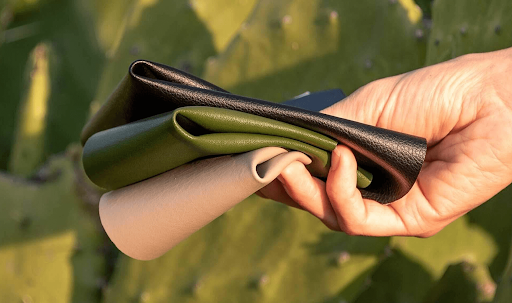
As the modern textile industry debates between fossil-fuel synthetics and natural production, innovative bio-based alternatives are stepping into the spotlight right now. For example, Desserto, a plant-based leather manufacturer from Mexico, pioneered an eco-friendly method using the Nopal cactus.
The production starts as its mature leaves are being harvested carefully without harming the plant. Then, they are put to dry naturally under the sunlight. In the end, cactus parts are being processed into a flexible textile that reduces water and energy footprints effectively.
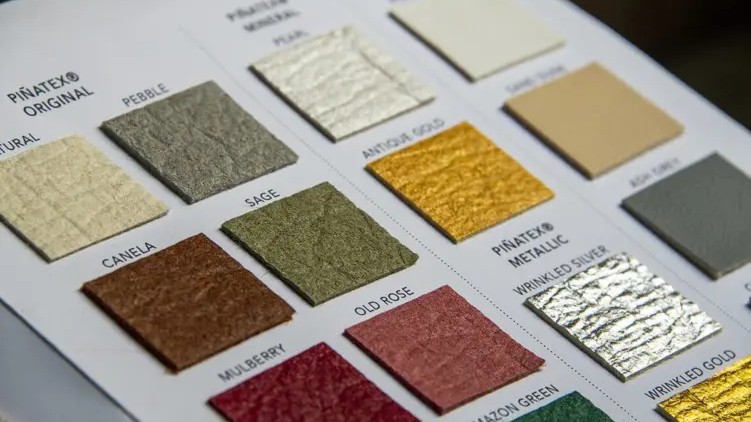
Similarly, Piñatex transforms discarded pineapple leaves into a beautiful, durable fabric. To create a piece of eco-leather, the fibers of fruits are being extracted, properly washed, and mechanically processed.
Because of their natural origin, Piñatex successfully produces eco-friendly and biodegradable leather, diverting agricultural waste from open burning pineapples’ waste while supporting local farming communities with new jobs and opportunities.
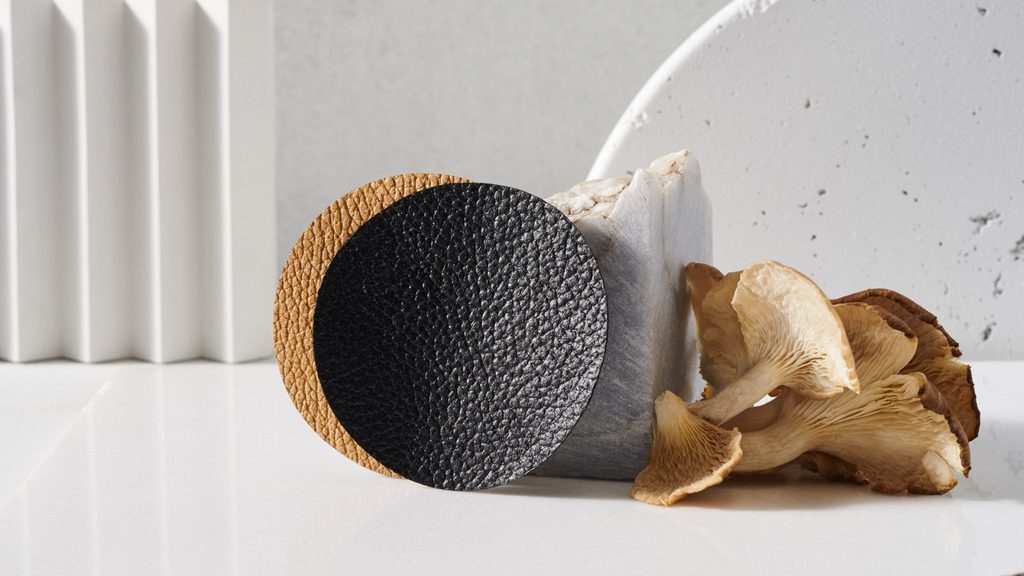
There is one more unique way to create eco-leather without harming nature. Mylo, a mushroom-based initiative, cultivates mycelium — the underground root structure of fungi — in vertical agricultural facilities around Europe and the US.
By feeding mushroom cells on organic substrates under controlled temperature, Mylo manufactures grow foam-like three-dimensional mats that are being harvested and treated with specialized finishing techniques. The finished material differs from faux leather, as it is more sustainable and has better moisture management properties.
Nowadays these ecologically safe alternatives successfully bypass the plastic dependency of basic faux leather by being used for the production of famous fashion brands like Hermès, Stella McCartney, or Balenciaga. Fortunately, more and more eco-friendly companies are starting to represent a vital shift towards the preservation of nature, proving that modern fashion can implement eco initiatives and support the environment.
Price of the system
It is important to mention that the conflict between genuine and faux leather production is not only about the increasing waste from manufacturers and the growth of landfills around the world. Critics of “real” leather often argue that purchasing it directly supports the meat industry to grow more and more animals. As time goes by, it creates a huge amount of pollution, impacting the quality of water and air.
According to EBSCO, the raising of cattle is also responsible for the deforestation in some parts of the world, especially in Latin America, where ranchers burn forests to expand grazing land and grow more livestock. Meaning that a really sustainable cattle ranching requires not only control over water quality but also restoration of overgrazed and damaged land through soil conservation, the planting of trees, and the protection of areas that may be particularly sensitive to erosion.
One fact is undeniable: animals are slaughtered, and their skin is a commercial output of that process. However, from an industrial perspective, leather functions largely as a co-product that does not require additional production capacity. As it is known, cattle are raised primarily for beef and dairy consumption, not specifically for their skin, with rare exceptions in luxury exotic leather markets.
Thus, if cowhide was not tanned into leather, tons of waste would be discarded directly into the landfills, where their decomposition would generate even greater methane emissions. Utilizing the animal skin maximizes the resource efficiency, aligning more closely with circular economy principles than extracting virgin crude oil just to manufacture plastic clothes and accessories.
Beyond “green” marketing
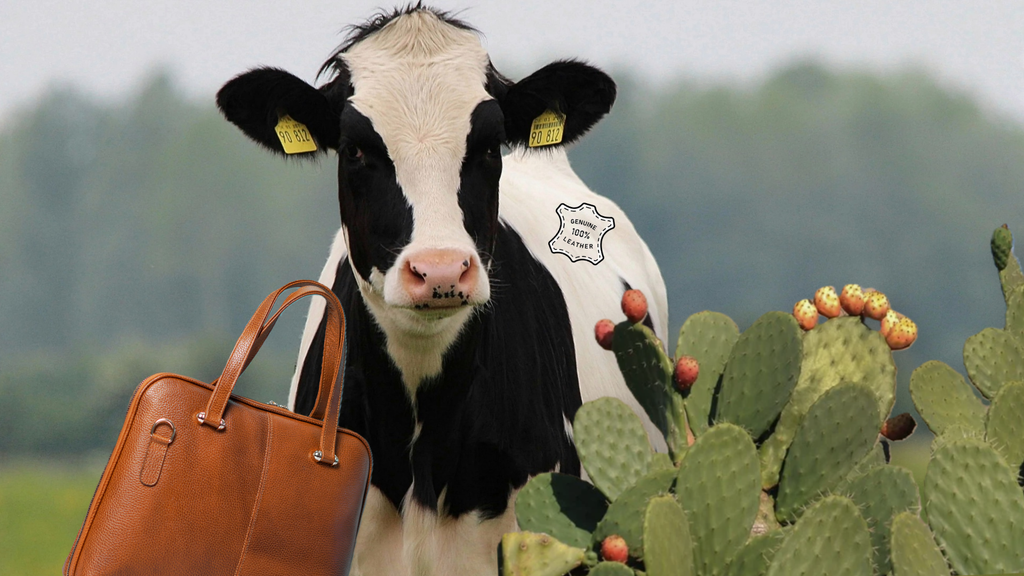
To sum up, objectivity always requires acknowledging that neither material is 100% ecologically safe in the modern textile industry. Of course, the agricultural footprint of animal farming is a primary driver of land usage and gas emissions, while conventional leather tanneries demand strict regulations to manage the production safely.
Nevertheless, labeling plastic-based material as «eco-leather» or «sustainable vegan leather» is also not correct. By masking fossil fuel dependency behind faux leather, the fashion industry diverts attention away from the long-term consequences of microplastic pollution.
With this, true sustainability in fashion cannot be reduced to a single checklist item, such as alternative material that avoids animal components. It demands an evaluation of durability, biodegradability, supply chain transparency, and refusal of massive overconsumption.
